
Ali Whitton on finding his voice through landscapes, vulnerability and the long road back to music

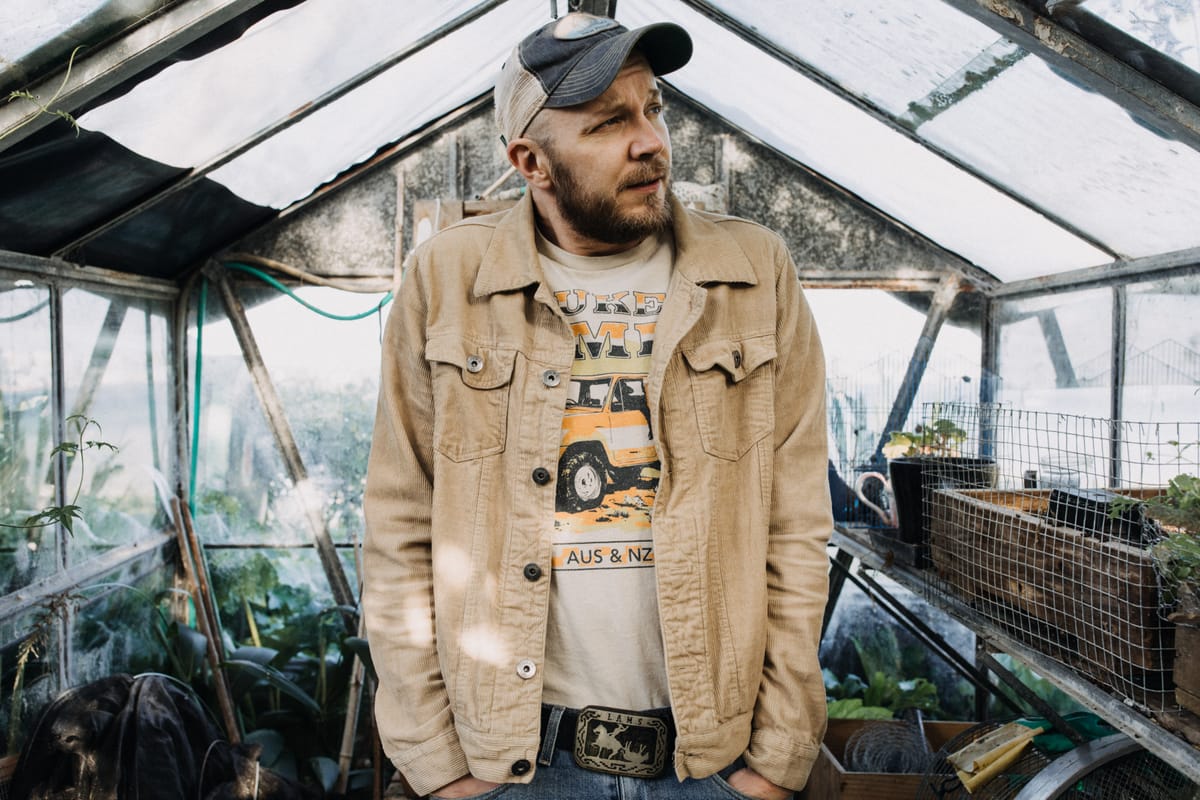
Ali Whitton’s story is one of resilience, reflection, and rediscovery. Shaped by early experiences, changing environments, and years of personal growth, his music has become a space for honesty and emotional clarity. This interview explores the path that led him back to songwriting with renewed purpose, revealing an artist who values depth, connection, and the quiet power of staying true to himself.
How did early experiences as a young boy shape your relationship with singing and confidence?
Oh I wish I had a positive answer but I was actually discouraged from doing music by an early music teacher who said I had a ‘weak musical ear’ so for many years I thought I couldn’t do it. But because I thought I couldn’t do music, when I was searching for outlets for creativity I found writing poetry, and that, in a way, has shaped my songwriting as almost musical poems.
You've moved between the UK and Aotearoa throughout your life. How has place influenced the way your songs are written and felt?
So much! I was lucky to grow up in rural North Yorkshire so landscapes of fields and hedgerows, and moors of heather. I would stand at my window and try to teach myself guitar and sing about the weather and the shades, that soon became natural metaphors for all my teenage feelings. I have found the same influence here in New Zealand, with forests and living by the wild South Coast of Wellington. It’s perfect for inspiration!
After burnout and disappointment with earlier albums, what helped you rebuild trust in music as something healing rather than harmful?
It was a restlessness that can’t sit still and needs to do something all the time and as soon as I took the pressure off myself of music having to mean something I found it to be my way of feeling freedom; going down the rabbit hole with writing or learning something and losing track of time and ending up with something new.
Health challenges forced another pause in your journey. How did that period change your understanding of rest, patience and creativity?
I learnt a lot about myself, mostly about balance. On the one hand I had a compulsion to be busy and be creative but on the other hand I needed to learn how to pace myself, and not feel shame for resting. It’s a lifelong journey learning that!
‘Hopeful Heart’ explores the tension between optimism and disappointment - how did you personally navigate that balance while writing the song, and did it change the way you view hope itself?
It was originally called ‘Hopeless Heart’ but was saying all these things that I thought were actually positive traits so it took me to step back and realise I was writing the feeling of being older and a bit burnt or jaded. But then the reflection at the end that it’s good to see the world ‘how it should be’ and let that be our drive in life.
You worked with Dave Khan and Reb Fountain on Between the Forest and the Stars. What did collaboration teach you about letting go of control?
Oh boy! They are such talented musicians who have such confidence that I turned up not really knowing what my musical identity was yet, so we worked through the songs I’d written and they pushed me to new ideas and at times out of my comfort zone. I love that the record is not the record I thought I’d make. It’s not only my ideas and very much their guidance, and the whole process helped me find a little more about who I am and what matters to me.
Your lyrics draw from personal challenge. Why do those themes continue to feel more honest than writing from happiness alone?
I always find the most boring stories are the ones of success without a challenge, so I guess it stems from that. Life is challenges and, at times suffering, but it’s how we overcome that that’s interesting. For me, music and songwriting is processing of things too. I’m a ‘think-out-loud’ kind of person, so I don’t know what I’m thinking or feeling until I express it.
Once upon a time you chased international momentum. How has your definition of success evolved?
Being in New Zealand and being a father of a young kid changes things a lot. But of course, having a record like this makes me wonder what it could mean and what is possible. I really hope people like it and people connect to it, and of-course I really want to make a follow-up, so they’re the goals now. But most of all, learning more about who I am, and continuing to learn the things that interest me - like I’m currently working on my piano playing and learning to read music.
Looking back across your journey as an artist, what part of yourself feels most transformed through music?
My confidence in being vulnerable I think. I have learnt that vulnerability and authenticity is the way we can truly connect, and it’s that connection that drives me and interests me, and continues to inspire me.