
Aotearoa needs more creative spaces: The hidden cost of the third place

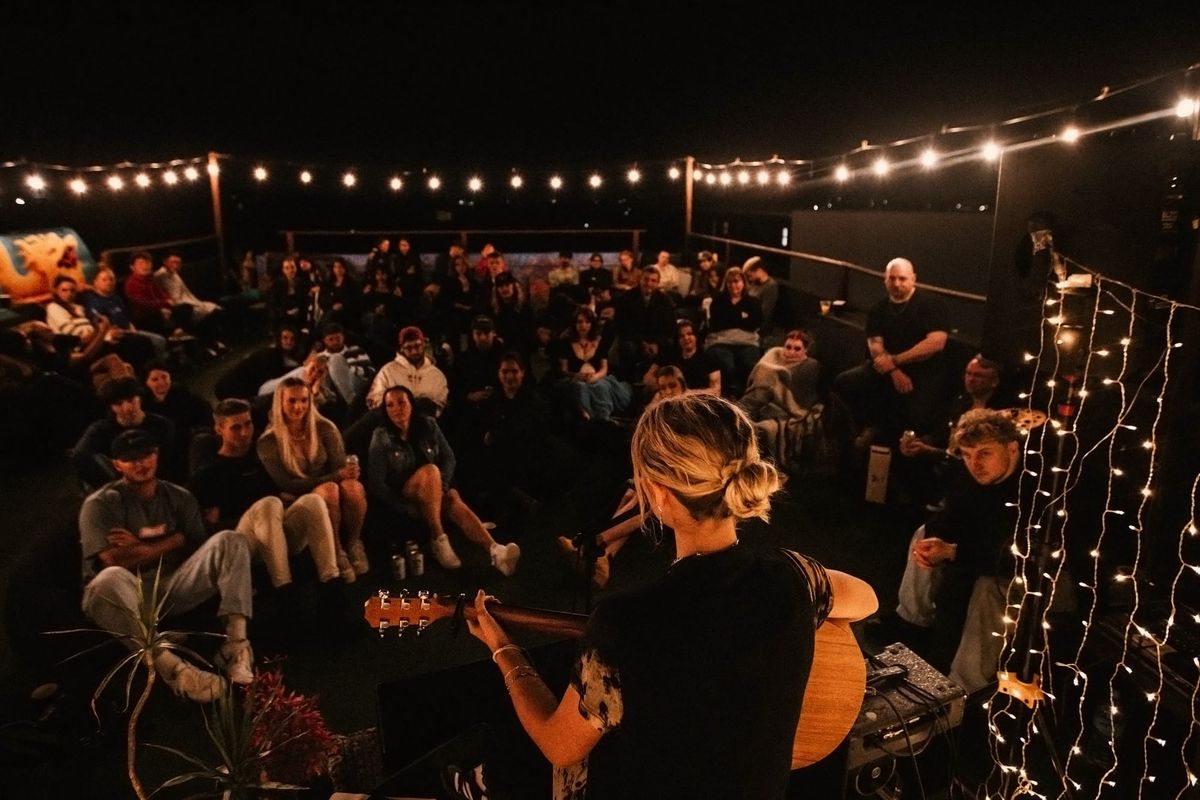
Sociologists coined the term "third spaces" to describe the places we visit outside the necessities of home, school or work. Places like venues, music hubs, workshops, studio spaces, libraries, and community centres have, for a long time, made up our wider social networks and added purpose to our lives. Within music scenes, these spaces allow artists and creatives to connect, interact, learn, and collaborate. Many artists can trace the beginnings of their careers or friendships back to a single conversation at a particular place in time. Whether it’s small events, live performances, or art-spaces, third spaces foster purpose, connection and growth and arguably our most important human need: the need to belong.
For many people, young and old, socialising has become something that requires a second thought before committing to. I wouldn’t say it’s purely a money issue either. It feels like a cultural shift. The population of Tāmaki Makaurau, for example, has grown considerably over the years, yet I'd argue the number of affordable and accessible places to meet hasn't kept pace. We've seen plenty of new eateries and infrastructure projects, but do people actually have enough places to hang out outside of live gigs or festivals?
The cheapest way to talk shop with a friend in the city is probably over a $6.50 coffee, not including transport or parking. In the context of inflation, that's not a huge deal, but the bigger issue is there needs to be more places to meet with purpose. When we do go out, for example, what we're investing in usually isn’t going back into art. More often than not, it's just food.
Local venues and creative hubs have been battling rising rents and operating costs for years, however, so it's fair enough that running these so-called “spaces” isn't easy. The closure of Flying Out and the near-closure of Neck of the Woods recently brought this exact theme into focus. Does the economy in Aotearoa actually support creative businesses? We seem to have space for three new trending açaí bowl shops, but creative hubs come with significantly higher run costs (PA systems, utilities, staffing, etc.), less certainty, and depend on passion, which perhaps can’t always fit the broader spectrum of just selling goods for profit. After all, it’s pretty hard to monetise culture itself, and I'd say the value system is pretty different.
As the cost and labour of bringing third spaces to life rises, our wellbeing takes a hit as it genuinely becomes harder to learn about or make art in person. Culture adapts, of course, and we’ve turned inward or online, but something important goes with that, and our opportunity for connection shrinks.
One would hope a culture deficit would make way for innovation, as humans always adapt. However, what will the future of third spaces actually look like? Cities, as we know when we travel, get judged on what they build. Maybe we should be judging what they are also making room for.
In ten years' time, will young creatives have cities full of places to spend money, or will we have invented some new places to belong?
Promoting new music or events? Get priority submissions for editorial consideration.