
Blake Stainton shapes his sound with heart, heritage, and instinct

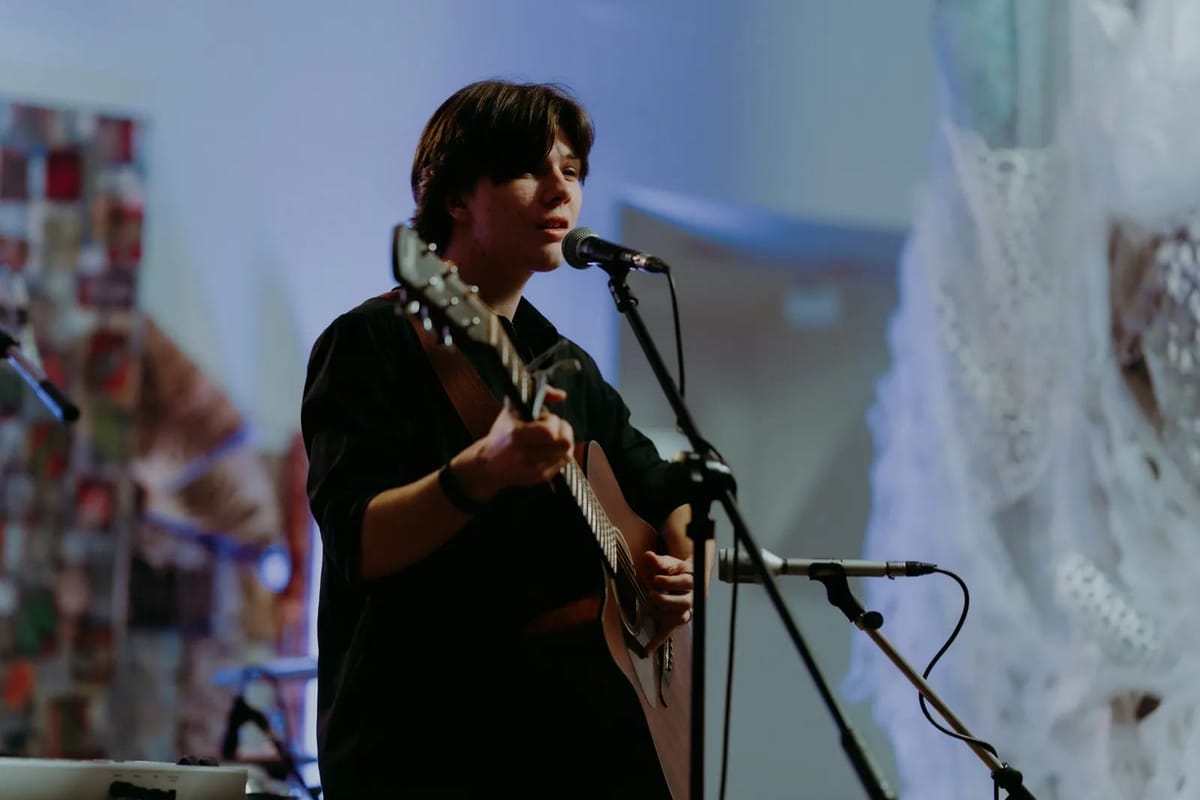
Blake Stainton carries a voice that blends bright pop sensibility with grounded country warmth. His approach feels spacious and sincere, defined by stories drawn from lived moments and quiet reflections. He reaches listeners through an artistry built on openness, patient honesty, and a commitment to preserving the human touch in a rapidly shifting musical landscape.
Your music carries a mix of pop shine and country grit. What influences and experiences brought you to creating this type of music?
Growing up, my household always had music playing, different eras, different styles, so I naturally absorbed a bit of everything. When I started writing, I didn’t try to fit into a particular genre. I just followed whatever sound matched the emotion I was trying to express. That’s how the blend happened: pop helps me lift a feeling, and country helps me ground it.
You lean into storytelling with real tenderness. How did you learn to be open with that level of honesty?
I’m still not great at opening up in everyday life. Talking about my feelings out loud doesn’t come naturally to me. But music feels like a space where honesty isn’t scary, it’s freeing. When I’m writing, I can slow down, unpack what I’m feeling, and say things I might struggle to say face-to-face. The tenderness comes from finally letting those thoughts breathe.
Listeners talk about the way your songs feel personal while landing with broad resonance. How do you approach that balance?
I usually pull from things happening in my life or in the lives of people close to me. When the starting point is a real moment, the emotion behind it already belongs to more than just me. I think the resonance comes from that, we all go through similar highs and lows, so a story rooted in something truthful tends to echo wider.
Which artists helped shape your sense of melody and rhythm?
It’s tough to narrow it down, but I’m really drawn to the emotional honesty of artists like Sam Barber, Waylon Wyatt, and Tyler Childers. There’s an emotional rawness in how they deliver their music that’s taught me a lot about trusting a feeling.
Beyond that, I’ve picked up little things from different corners of music, the way melodies move in folk, the rise in pop choruses, the grit in rock rhythms. Those influences sit in the background and shape how I approach a song without me consciously thinking about it.
You play across festivals and smaller rooms. How does each setting influence your sense of connection with an audience?
Smaller audiences feel personal, like we’re sharing a moment together. You can really feel the room breathe with you. Bigger audiences bring a whole other kind of energy. It’s more communal, almost like everyone becomes part of the same wave.
Both environments teach me different things about connection, and I appreciate them for different reasons.
What recent shift or cultural movement has most impacted your artistry?
I think people are craving realness again. With AI becoming more common, there’s been this shift toward valuing things that feel human and imperfect, vinyl records coming back, live acoustic versions, unplugged performances. That mindset has influenced me a lot. I’ve leaned more into embracing the raw edges of my voice and songs, because that’s where the humanity sits.
Country carries deep lineage and pop carries modern immediacy. How do you draw from both without losing your own voice?
I tend to let the story decide the direction. Some songs feel like they want grit and space, others want momentum and brightness. When I follow what the song is asking for, my voice naturally keeps everything balanced so it still feels like “me,” no matter what style shows up.
You aim to create connection through music. What moment with a listener reminded you why this path matters?
It’s been a collection of moments rather than one big one. People that have messaged me or come up after shows to say a song helped them through something, or made them feel seen. Those conversations hit me every single time. It reminds me that music isn’t just sound, it’s a way of reaching people in moments when they need it most.