
Bridges speaks to healing, honesty, and finding light in Life of the Party

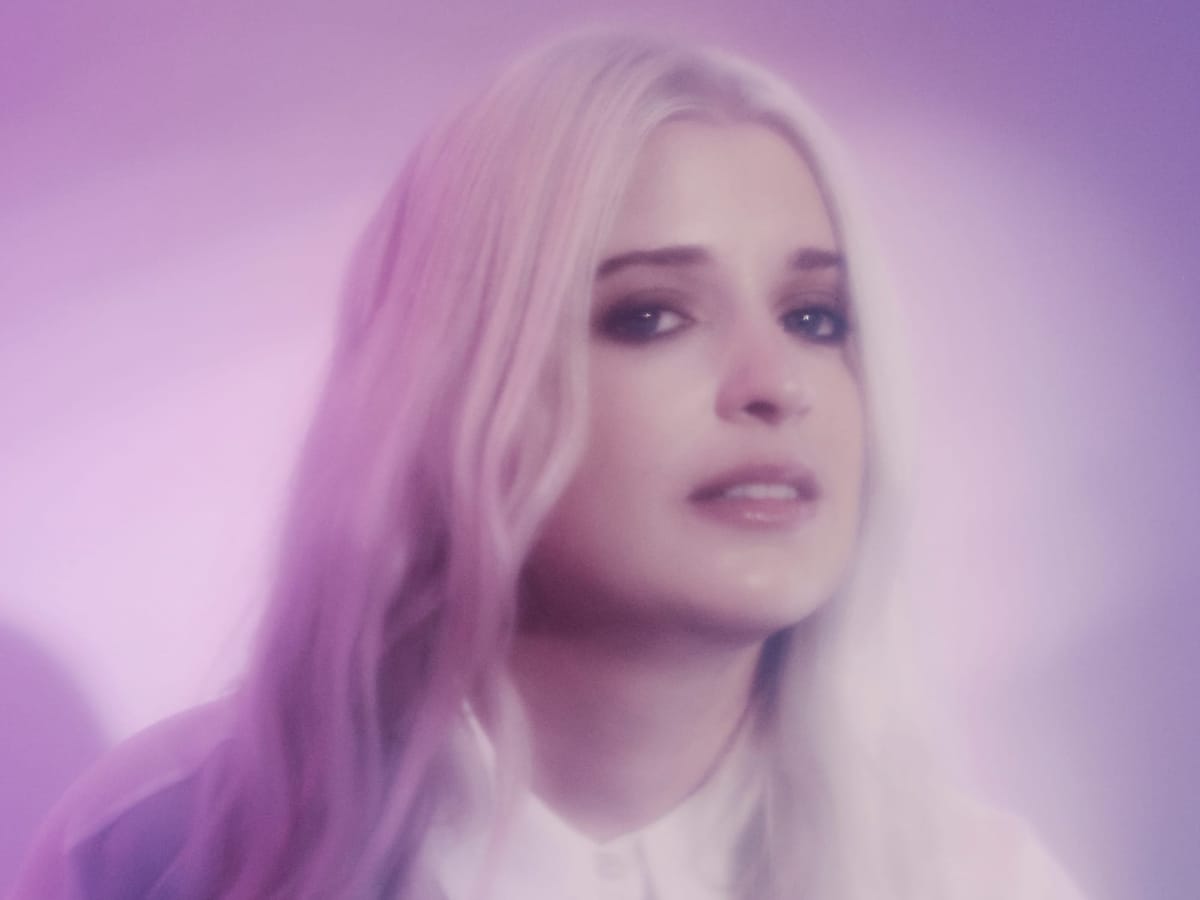
There is a sense of honesty running through everything Bridges creates. From her earliest releases and now on the new EP Life of the Party, her songwriting is rooted in emotive lived experience and an instinct to put hard feelings into words.
But this latest chapter looks a little different. She's moved through a process of healing, and this has surfaced in the music, bringing with it a sense of lightness, release, and optimism. In this conversation, Bridges reflects on turning mental health into melody, trusting her instincts, and how to channel vulnerability into an expansive pop sound.
Life of the Party leans into a brighter, more open energy. You have spoken about “some light coming back” during its creation. What shifted for you across this project?
Honestly, my mental health has been shifting. I’ve been in a very long process healing from PTSD - which comes with anxiety, depression, chronic nightmares, as well as many other symptoms! So as I’ve been recovering, the music has shifted too. My mind and emotions are now more open and willing to experience feelings of lightness, so that’s been seeping into my songwriting - which has always been a bit of a valve to release whatever I’m experiencing.
Mental health is at the core of a lot of your work, from ‘Lifeline’ through to ‘Drive’. When you are writing about those experiences, where do you begin?
I think about stuff A LOT. I’m usually mulling over something that’s been raised in a therapy session, or a topic I’ve been talking about with friends, so when I sit down with my guitar to write, there’s kind of enough “content” at this stage built up in my head. When I start writing, it’s usually whatever is top of mind that falls out onto the page - and because so much of my life revolves around managing my mental health, it’s a common thread that ends up being woven into the songs.
‘Drive’ holds that tension between escape and being present. How did you land on that balance while writing the song?
I knew I wanted the chorus to feel carefree and explosive in its feeling of spontaneity, so it was important I got the set up right when mapping out the song's structure. Working backwards from the chorus (which kind of encapsulates a “screw it! lets just drop everything and run away” vibe), I needed to make the verses centered more around the mundane, present day-to-day movements of life. So then when the chorus hits, it feels like a big escape! I had the whole song pictured in my head like a bit of a daydream, so I just had to figure out how to make it work.
Your music feels sincere when it touches on anxiety and panic. How do you take something so personal and shape it into a polished indie-pop track without losing that honesty?
Thank you! Wow, that's very kind. I’m touched that it’s translated that way. I think a lot of the polish comes from careful production choices. I’m super lucky to have worked with brilliant producers on this EP, who I knew would understand the need to strike that balance just right. I’m always super specific and particular about what I want from the production so everything supports the story-telling of the lyrics. And personally, I think anything hard to talk about is a bit more digestible with some indie-pop polish!
There is a sense of release running through this EP. Did writing these songs change the way you understand or move through those moments in your own life?
I think it was the other way around! The way I understand life changes constantly as I move through it, so writing these songs is a reflection of that. Though in saying that, writing this EP has been a huge exercise in trusting my intuition and backing myself, which has had an impact on how I live my life. Going out of my way to intentionally practice trusting my gut - when it comes to songwriting but also directing everything in the wider EP project - is a great training ground for other aspects of my life.
The visual for ‘Drive’ was shot on 16mm film with Tom Grut. Did that nostalgic, in-the-moment approach reflect the feeling behind the song?
Nothing says nostalgia like not filming digitally! I had explained to Tom that I wanted the video to feel carefree and spontaneous to reflect the song's meaning, and he suggested 16mm film. Both for the visual aesthetic it gives, but also for its limitations of what you can capture. We only had 33 minutes of film to use, so it really forces you to be in the moment and not overthink everything! (which is good for me to do, and it’s fun for me seeing that play out on camera)
You were mentored by Fazerdaze through the APRA programme. Did that experience shift how you approach songwriting or storytelling?
Fazerdaze (Amelia) is incredible. She really encouraged me to trust my gut, which has helped my confidence when it comes to my writing. Her mentorship has honestly made such a huge impact on not just music, but also life.
Your debut EP TWENTY SOMETHING connected quickly with listeners. What do you think people are hearing in your music that makes them feel seen?
Again - that’s so kind of you to say. Everything I try to do with my music is to make people feel seen, so I’m glad that’s how it’s coming across! Lyrically, I focus on trying to put allusive feelings into words. My favourite songs are ones that give me that “ah-ha - THAT’S how I feel” moment; those songs make me feel really seen, understood and less alone in the world. It’s what I’ve always tried to do with my own songwriting - I’ve kind of got the attitude that if I’m feeling something myself, chances are someone else might be feeling that way too… so I should just be honest about it and hope I’m not alone in my experiences.
You have moved between deeply personal songwriting and composing for Dreamslinger with Gracie Kim. How different is that process, writing for your own lived experience versus stepping into someone else’s world?
Writing for Dreamslinger was such a fun process! Graci’s writing is so beautifully descriptive and imaginative; she really thinks of every detail. It was very easy to understand how the main character Aria would have been feeling by the way Graci had described the world around her, so I just used a different empathy muscle: instead of empathising with myself, I got to do that for Aria.
That jump from introspective indie-pop to a Disney-backed project is huge. What did that opportunity teach you about your range as a songwriter?
That my songwriting can stand on its own two feet, without my voice or the Bridges project attached to it! Honestly, it’s a wild feeling. It taught me to have more confidence in my writing, and I’m keen to do more co-writing for other artists’ projects.
As this new era opens up, where do you want to take Bridges next, sonically and emotionally?
I want to continue to push the boundaries of what honesty and vulnerability looks like for me in songwriting, while honing even further into pop hooks and melodies. I’m keen to explore more nuanced emotions but keep them in an indie-pop landscape - the juxtaposition of delicate feelings with sing-along choruses is so fun to me!
Have music you’re proud of? Submit it to Empty Spaces and get featured.