Billboard Ad

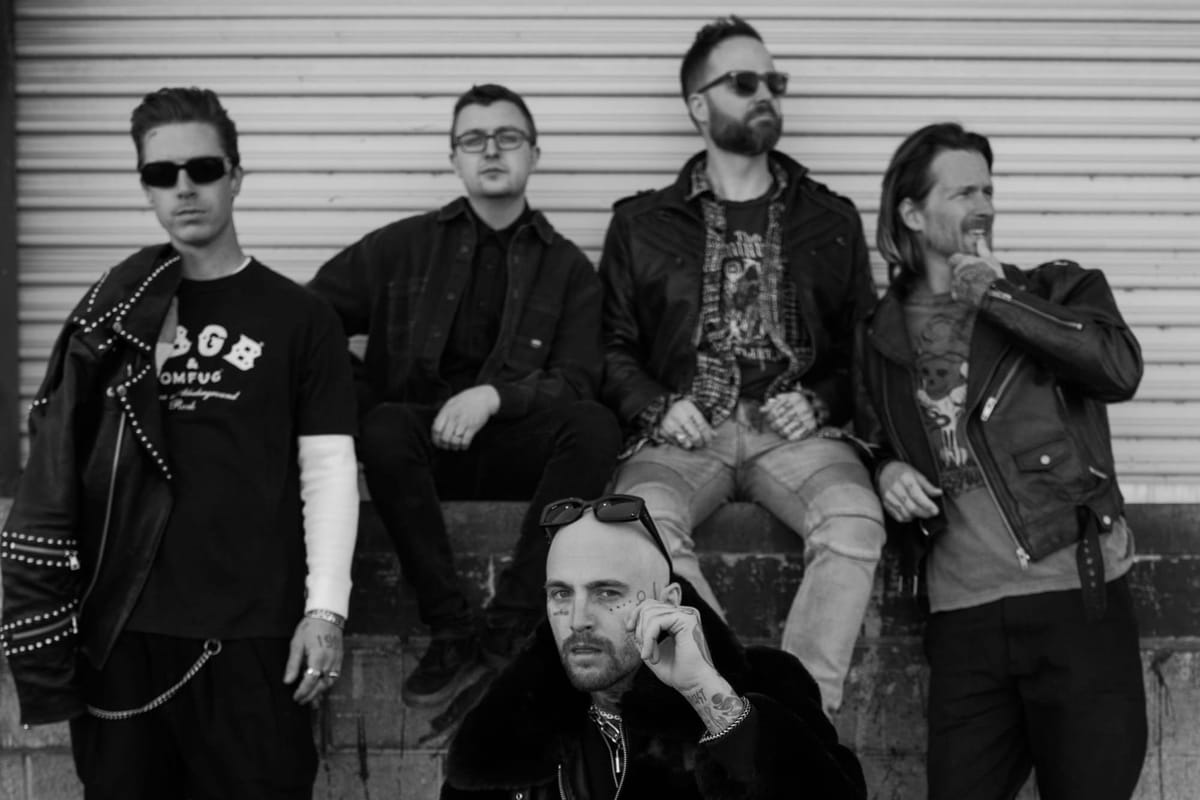
Johnny Stevens on change and what's ahead in the next chapter for Highly Suspect

Johnny Stevens on change and what's ahead in the next chapter for Highly Suspect

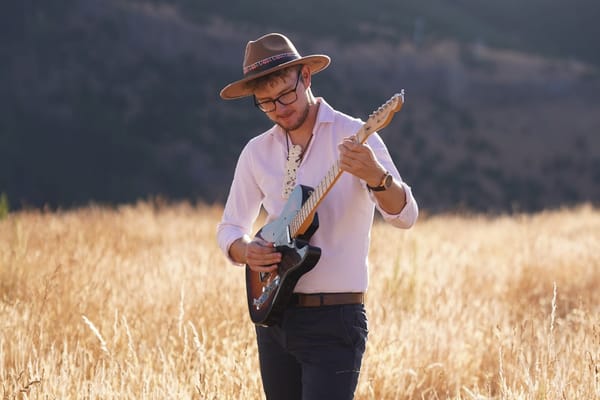
Ahead of their upcoming Live At The Domain performance with Good Charlotte, Yellowcard and Tadpole, Highly Suspect frontman Johnny Stevens answered our questions about growth, movement, and making music that stays close to real life. From Brooklyn rhythms to life on the road, he reflects on how change keeps the band alive and why connection still sits at the heart of every show.

Highly Suspect began with blues and hard rock, then pulled in hip-hop and soul. What pushed your sound to keep shifting instead of staying in one lane?

Yeah, my answer to that is we actually started with more hip hop and reggae. And when the world started to hear us is when we moved into hard rock and blues. And then we moved back into hip hop and electronic. So for the people that heard us on our major label debut, they're like, “Oh wow, they really changed.” No. That is back to the roots of what this band was. But nobody knew who we were or what we were making back in 2009. As far as what pushes us to change, I don’t ever want to be a stagnant human in anything that I do. We get one shot at this and it’s like a giant video game with different levels. I don’t want to be stuck in one lane. That’s with music and with life. I like to be free and fluid in every aspect. Situation, surroundings, life conditions, life experiences, time, travel. All of it shapes us. I think we’ll continue to evolve. We haven’t hit our final form and probably never will.

Your songs feel drawn straight from your own life. How has your writing changed as your world has grown louder and more public?

It hasn’t. I don’t know any other way. I wish I could write about other people or other situations, but I can’t. I don’t feel inspired to make things up. If there’s nothing interesting going on in my life, my creativity stops. Sometimes there are gaps where you won’t hear anything from me for a while. I live in Nashville now and I respect hit writers a lot, but it’s not me. I’ve been around them and what they do is cool. I can’t do it. It doesn’t do anything for me. My writing is always therapy and catharsis. It’s how I deal with what’s happening in my life.

Moving from Cape Cod to Brooklyn shaped your early years. What did that city teach you about pressure, pace, and performance?

I started going there as a kid. I skipped school and took the Plymouth and Brockton bus to New York in my early teens. I’d hang out in Central Park and watch SummerStage concerts. I got immersed in that culture young. I loved it. Movies, music, art, Ninja Turtles. New York felt like the place. In the early 2000s I escaped there and fell in love with it. Then I dragged the guys with me. That city has a rhythm. You hear it in the trains. You feel it in the ground. I still go back a few times a year to get that rhythm back in my blood.

People think New Yorkers are rude. It’s just fast. There’s no time to be complacent. You’re pushing or getting swallowed. It was the best thing we could do as a band. We went from being the biggest thing on a beach island to a city where everyone is an artist. How do you cut through that noise? You go hard. I wish we still lived there, but now we need yards for our dogs and space for our bikes. I still go back for that energy.

New Zealand crowds have a reputation for being open and emotional. What are you hoping to feel from the audience here?

I hope to feel embraced. I think people who already know us will be stoked. There will also be people who don’t know us yet. Good Charlotte fans, Yellowcard fans, Tadpole fans. I want to make the fans we have proud and grow the family. We’re a polarising band. People love us or hate us. There’s nothing in the middle. If there’s anyone in the crowd thinking “fuck those guys,” I hope they see what we’re really like and feel that. I want to be loved and adored. Pretty much.

Your live shows are intense and physical. What do you need from your body and mind to deliver that night after night?

A time machine. I pulled my back tying my shoe last week. As we age, we have to find ways to manage that. I see younger bands relying on physicality and I think it’s cool, but I tell them to be careful. Brent Smith from Shinedown gave me advice years ago. I asked how he keeps going. He said he drinks a lot of water. Hydration is the most underrated thing and the most important thing.

Each album sounds like a different chapter. When you start new music, do you chase a feeling, a sound, or a question about yourself?

Whatever sounds good. I love that each album sounds different. That means I’m not stagnant. But there’s no plan like, “Let’s make a hip hop album.” We make a lot of songs and then sit with them and decide what’s actually good.

We don’t have outside writers. There are five of us with different ideas and different influences. It takes longer to agree. We once said we’d make a reggae album. That lasted a week. It never came out that way. We just make what feels good in the moment.

Blues, rock, and hip hop sit side by side in your work. Which style feels closest to who you are right now?

They’re all the same cloth. It’s all Black music. Rock, blues, hip hop. It’s rhythm. Same story, different font. Right now, after this, I’ll probably blast hip hop. Tonight I’ll play blues on an acoustic guitar. At the gym I’ll put on rock and roll.

Touring blurs everything together. What helps you stay grounded when every week is a new city?

Not much. It’s blurry. I forget one place from the next. If I had more time in each place, it would be easier. What keeps me grounded is my dog. One hundred percent.

Looking back at your early releases, what do you understand now about yourself that you didn’t back then?

I don’t want this paraphrased wrong. I don’t think I’ve been the problem in relationships, but I haven’t been the solution either. I love freedom of movement. I have a hard time committing to anything other than music. Relationships, places, hobbies. I’m always moving on to the next thing. There’s not much stability.

I didn’t know that about myself back then. I thought by now I’d feel settled. I don’t. I feel the clock ticking. My father died recently and it changed how I see mortality. I’m hungrier for new experiences. I enjoy life a lot. The art is sad, but I love living. I want to try new things.

As you’re about to stand on a New Zealand stage far from home, what part of your journey feels most present?

My bandmates. I’m not alone. I’m with people I grew up with who experience this with me. I don’t have to internalise everything on my own. I get to share it with people I love. That helps me feel present.

Read more