
The fragile state of the music business in Aotearoa

This may ruffle a few feathers.
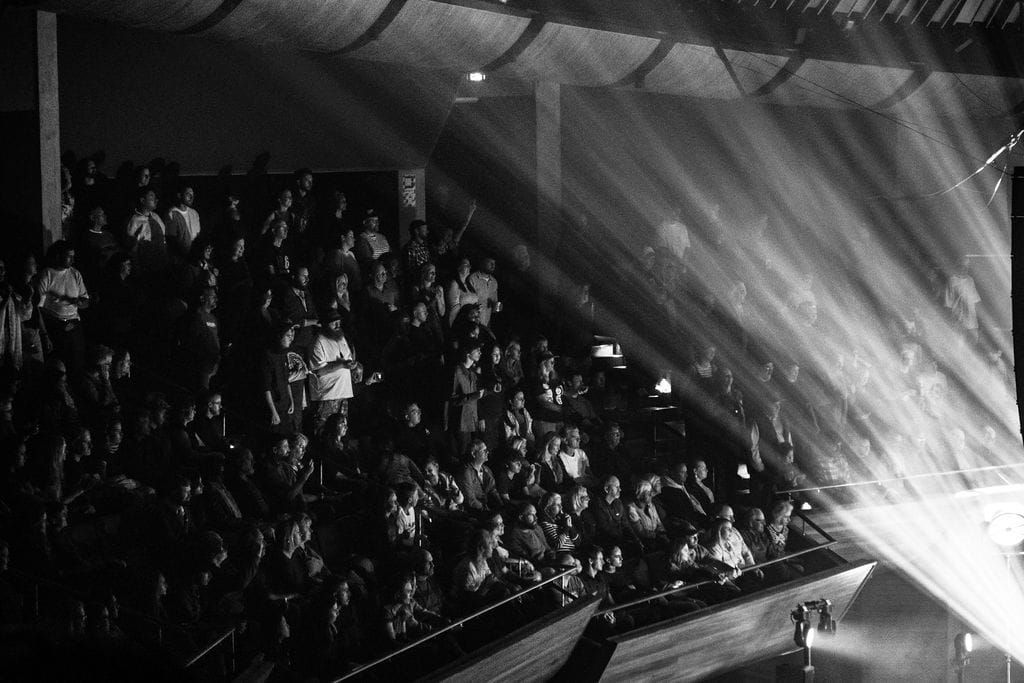
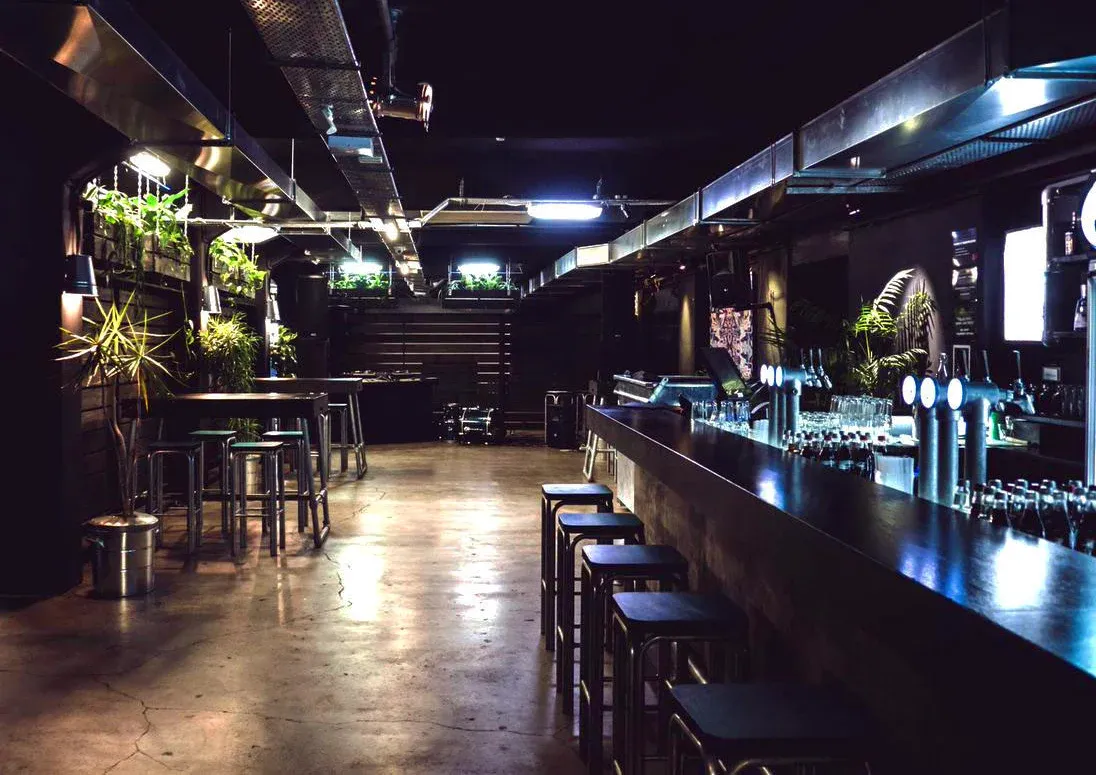
There have been a number of renown New Zealand music businesses closing their doors in recent weeks. Neck of the Woods and Flying Out Records to name but a few. It is sad, and each is a unique loss, impacting the fabric of our fragile scene.
But really this is a wakeup call for the industry. Yes, we need to get out to gigs, yes we need to support the arts, but at its core, neither of these actions will provide an answer to the challenges we're faced with. The real issues are rooted in our inability to adapt the evolving business environment - notably a hesitancy to invest in ourselves, a lack of commercial ambition, and the dire need for innovation.
Government funding is the golden halo we all look to. But this provides a one-off injection of cash not a sustainable business model. Meanwhile the scene is up in arms about how we've been shortchanged... I'm not saying I stand behind the decisions that have been made by government, but we need to stop looking outward for a solution and begin looking inwards for ways we can address the issues our beloved industry is dealing with.
Investing in ourselves
Our businesses and artists must invest for their success - we're all so careful with money and unwilling to spend. Rightly so after a number of challenging years. But it is this very behaviour that keeps us caught up the same downward cycle. We need to be prepared to invest. Circulating cash proliferates across the industry fueling our ability to thrive and do more. On the flip side a lack of investment sees organisations operating on fumes slowly cutting into margins and gradually becoming worse off. If we can stop being so caught up in the negative state of the economy, we can begin digging our way out.
More ambition and commercial viability
In New Zealand there is a culture of pessimism. Very few actually have the ambition and determination required to scale, let alone the cultural aptitude to take it on. Tall poppy syndrome is a real thing, and we need to break out of this to thrive in the world of today. You need only make a trip across the ditch to feel the collective energy and ambition in a city such as Sydney. It is inspiring and something Kiwi's need to take note of. Instead of settling with 'why we can't we do this', we need to look at 'how can we make it happen'.
This correlates directly to commercial viability. We need to evolve. If the rest of the world is putting up prices, why isn't the NZ music industry? Venues need to charge more. Record stores need to put up their prices, and if the customer numbers take a dive, then double down on building the brand until they return.
As artists and creatives, we operate in a commercial world. To survive we must play ball. This means, balance sheets, revenue projections, and risk mitigation to build sound business models that will stand the test of time. The same goes for artists - figure out how to make what you do commercially viable.
The need for innovation
The points above allude to figuring out new ways to achieve the same result. That means thinking outside the box. Just because it has been done a certain way for so long does not mean that way is the only way to move forward. And we're starting so see some incredible work from some organisations who are leading the way.
Lume - A digital album format rewarding artists with a circular revenue model. Access that funds both artist and industry in an age seeking authentic connection and ownership.
Holiday Records - A record store integrated with record pressing plant. Dual revenue sources. Traditional models combine to deliver a compelling value proposition.
These two examples illustrate how value can be delivered in new ways to create more resilient business models. Innovation that builds on the past but evolves to reduce dependency on funding or a single revenue stream.
The reality is that the music industry isn't owed survival. No industry is. Every sector faces disruption, changing consumer behaviours, economic cycles and technological change. The organisations that endure are the ones willing to adapt.
New Zealand's artists are world-class. We have passionate audiences and incredible creative entrepreneurs. What we often lack is the willingness to challenge our own assumptions about how things should work. We romanticise the past instead of designing the future.
If we want a thriving music ecosystem ten years from now, we need to spend less time mourning the loss of old models and more time building new ones. That means calculated risks, embracing commercial realities, investing in growth, and rewarding innovation wherever it emerges.
The closure of beloved venues and businesses should concern us all. But if we're willing to learn from these losses rather than simply lament them, they may yet become the catalyst for a stronger, more resilient and more ambitious industry.
The future of New Zealand music won't be funded into existence. It will be built.
Releasing new music? Apply to get featured with Empty Spaces.