Going Global speakers share their advice for artists looking to break through
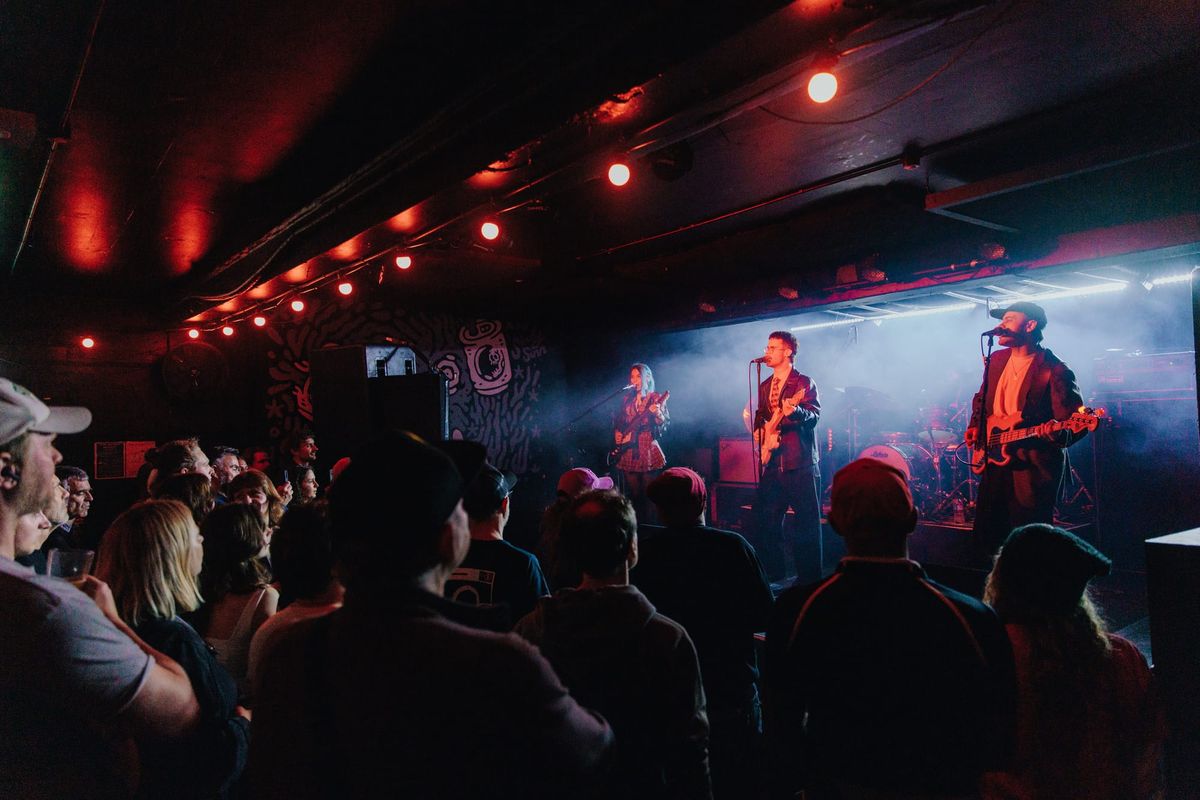
Going Global is New Zealand's annual international music industry event. Each year it brings some of world's most influential figures in A&R, booking, festival programming, label management, and artist development to Aotearoa to share their insights over two days of presentations, networking and artist showcases.
Ahead of this years' event, Empty Spaces asked speakers for a word of advice for artists trying to raise their profile. This is what they had to say:
David Melik Telfer - Owner / Managing Attorney, DMT Law (USA)
“If you'd like to tour America one day, start your PR campaigns early. Press coverage of your music accomplishments can make or break a US visa application."
Adam Lewis - Founder/Owner, Planetary Group (USA)
“If I can give one piece of advice to artists in NZ, I would tell them to think globally. Not just NZ/Australia. Although you might not be able to get to America right away, you can promote your work here. The more you do early, the better. The US takes a long time to crack - so the sooner you start promoting here, the sooner success will come. You want to come here when there is a reason to do so. So, if you promote early, you won't be rushing to do so when coming here suddenly for SXSW, etc. Plant seeds early. You can do that yourself with stations, blogs, influencers - yourself - via email. Or you can hire someone. But start early!”
Dan Nascimento - General Manager, Community Music / UNIFIED (AUST)
“Creating a melting pot of authenticity, having the right people in your corner and adding a splash of absolutely irrational belief in your art finding an audience is the key to breaking through in the most meaningful way.”
Ashley Gay - Xelon Digital (AUST)
"Be consistent with your releases in style and how often you release. For example, if you want to have a release out once a month then ensure you achieve that and don't be sporadic. A release can also be a remix of a previous release or collaboration etc. Get control of your Artist profiles on the platforms and spend at least 5 minutes on each once a week tweaking them to optimise and interact with people where possible who may be your next biggest fan".
Jordan Acker - A&R, GYRO.Group (AUST)
“Get all your ducks in a row! Before building your release timeline, ensure every aspect of the release is confirmed and finalised. Having all key assets, plans and approvals in place from the outset will help your campaign run smoothly and avoid delays.”
Jayde Marter - Audio Director, PikPok (NZ)
“Don’t lose what makes you unique, but learn how to collaborate. In games, writing great music is only part of the job. Understand the story, the player, and what the development team is trying to achieve. Your artistry might get you through the door, but your ability to listen, adapt, and work with people is what makes them want to work with you again.”
Mick Tarbuk - Country Manager, Believe (AUST)
“Treat your music like art, but your career like a business. I've worked with artists at every stage of their journey, and the ones who build lasting careers aren't necessarily the ones with the biggest viral moment, they're the ones who consistently create great music, understand their audience, and make smart decisions over time. Develop your own identity, keep improving your craft, and remember that a sustainable career is built over years, not months.”
Broghan Blackshaw - Lead Composer / Songwriter, PikPok (NZ)
“My advice to artists looking to get into game sound is to keep your portfolio current with an up-to-date reel, which showcases a broad variety of your composition and sound design skills. Also, make sure you have attractive visual aids for the non-musical people who might be hiring you; this helps translate your work for them”
Tom Brain - Promoter, JOY Concerts (UK)
“be genuine, trust your gut and fine tune that live show!”
Niriko McLure - Co-Programmer, BIGSOUND / Third Person Management (AUST)
Make the art you care about first. Make it personal, weird, exceptional, whatever it needs to be to feel completely yours. Don’t start by thinking about who might listen to it or how many people it could reach. Make something worth caring about, then find the people who care. With everything competing for our attention, someone choosing to spend their time listening to your music, coming to a show or engaging with something you’ve made actually means something. Don’t lose sight of the person behind the number.
Promoting new music or events? Get priority submissions for editorial consideration.