
InDuna on growing up, losing wonder and finding it once again
Life can be immense and complex. Most of us know this. Through its turbulence, time has a way of dulling the vibrancy and wonder of the human experience. As kids, everything seems so marvellous. As adults, it becomes a constant process of figuring it all out. But perhaps a little romanticism is what we all need?
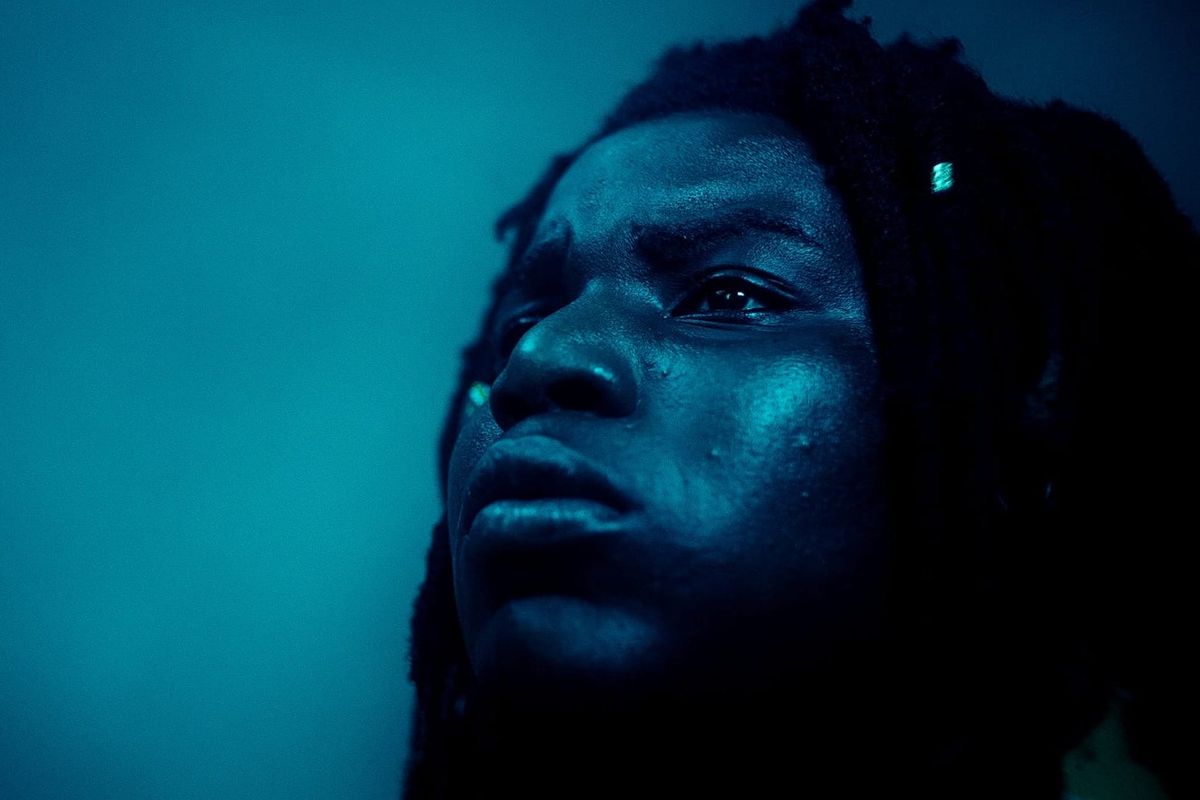
Well. Aotearoa-South African artist InDuna has written a song about this exact perspective. And let me tell you, it's an absolute earworm. Sombre yet resolute, the track is steeped in feeling. And that's not all that's intriguing about InDuna. The artist has pulled more than 4.1 million views on TikTok while steadily releasing infectious Afro-inspired pop songs. With that momentum building, InDuna gave us the inside scoop on Favourite Colours ahead of its release.
You’re about to release ‘Favourite Colours’. What can you tell us about the story behind the song?
Before I started writing Favourite Colours, I had been listening to a lot of different
artists, including some of the artists I loved growing up. I found myself a little jealous of how beautifully they could write, how a song could have so many different meanings while still communicating one clear feeling. It made me want to challenge myself as a songwriter. Around that time, this weird but funny memory from primary school kept coming back to me. We were going around the classroom introducing ourselves and saying our favourite colour. When it got to me, I said, “I don’t have a favourite colour.” Everyone reacted, and one girl said, “You don’t have a favourite colour? You’re weird.” I’ve apparently never gotten over that.
That’s where the line, “I don’t know my favourite colours,” came from.
But as I started writing, I realised the song could be about something much bigger. I started thinking about what it feels like to grow up in a world where, as a child,
everything can feel colourful, exciting and full of possibility, but as you get older, life becomes much more complex. We go through anxiety, depression, grief and difficult experiences, and we also live in a world where there are so many things happening around us that can affect the way we see ourselves and other people.
So I started thinking about colour as a way of expressing emotions , almost like the
Pixar movie Inside Out, where different emotions become characters. I wanted to
explore what happens when some of that colour starts to fade, and what it means to slowly find your way back to yourself. That idea of losing and rediscovering colour became the heart of the song. It’s about identity, healing and resilience, but ultimately it’s about hope, the idea that even when things feel grey, there can still be colour ahead.
There’s a unique mix of influences across the track. How did you arrive at the final sound?
I wanted to take the listener on a journey. I didn’t want the song to leave you sitting in a completely depressed or heavy place. Hope is a big part of who I am and what I want my music to communicate, that tomorrow can be a better day.
Musically, I started with some of the folk music I had been listening to at the time,
particularly that intimate, organic feeling. From there, I wanted to bring in a much
bigger, lush alternative-pop sound.
I added Afro-pop elements to give the song movement and groove, while the piano,
strings and acoustic guitars helped bring out the emotional side of the writing.
Basically, I took a lot of the sounds I was loving at the time and tried to put them
together in a way that still felt like me. Working with Toby Lloyd was a big part of taking the track further. He helped record additional parts and also played guitar on the song, while Lee Prebble recorded and mixed it. They both helped bring all those different elements together so the song could feel intimate but still grow into something much bigger.
You’re an Aotearoa-South African artist. How do those different parts of your background influence the music you make?
Growing up listening to South African music definitely shaped the way I hear music. At the same time, I grew up loving pop, R&B, soul and other music from around the world. I think my music naturally becomes a meeting point between those influences. I’m interested in taking the feeling and rhythm I get from South African music and combining that with the songwriting and sounds I love from elsewhere. But more than anything, I’m just trying to be honest and be myself. I don’t want to force the different parts of my background into the music. They’re already part of who I am, so they naturally come through.
In your own words, what makes a song relatable?
I think it’s emotion. We all experience different things in our lives, but the feelings underneath them can be very similar. We might all have different stories, but we know what it feels like to love someone, lose someone, feel confused, feel alone, hope for something or want to become a better version of ourselves. For me, a relatable song is one where you can hear someone else’s story and somehow recognise a little bit of your own in it. That’s what I hope Favourite Colours does. The story starts with something very personal to me, but the idea of colours changing and the way we experience the world is something I think a lot of people can connect with.
Your audience has been growing quickly online, with millions of views across TikTok and Instagram. How is this digital attention influencing your work?
It doesn’t really change the way I make music. I still write about what I’m feeling,
what I’m going through or what I’m reflecting on at the time. I kind of see music as a time capsule. When I write something, I’m capturing where I was emotionally at that point in my life, so I try not to let outside things dictate what I create. But seeing the songs move and reach people in different places is really encouraging. Knowing that something I made in my own little world can connect with someone on the other side of the world makes me want to keep going. The music industry can be difficult and there are definitely moments where I question things, so having that connection with people reminds me that the music is reaching someone for a reason.
A lot of exciting music is coming out of Aotearoa. Who are some local artists you think people should be paying attention to?
Tusekah is one of my current favourite artists. I think her songwriting and
voice are beautiful, and there’s something really honest about the way she
approaches her music.
You’ve got a music video coming up and a headline show in Wellington. What’s coming up for InDuna for the rest of 26?
There’s a lot happening. The Favourite Colours music video is coming on 16 October, and then I’ve got my headline show at Moon in Newtown, Wellington, on 30 October. I’m really looking forward to bringing the song into a live setting and having people experience it with the band. We’re also seeing what other live opportunities might come together for the rest of 2026, and there are already plans taking shape for 2027. I’ve got a couple more singles coming before the next EP, and we’re also looking at some remixes of Favourite Colours. So there’s definitely a lot more to come. Favourite Colours is really just the beginning of the next chapter.
Have music you’re proud of? Submit it to Empty Spaces and get featured.