
Queens of the Stone Age on making it, and what it takes to keep going
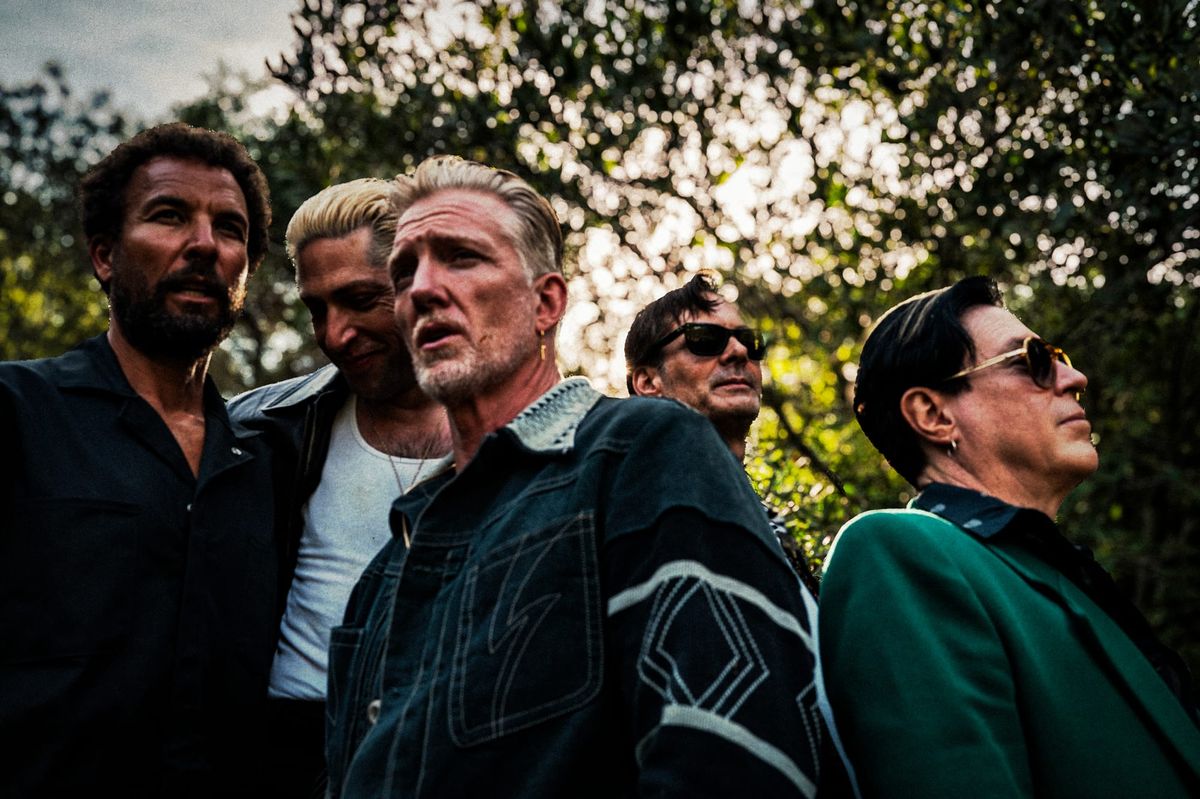
Queens of the Stone Age have performed all over the world. They've released music to critical acclaim and by popular opinion, could be seen as 'one of the greatest live bands of all time'.
So after all this, what's next, and how do you stay inspired when 'you've done it all'.
Well, they've just released a new single, and announced an upcoming New Zealand show later in the year. It seems something could be brewing. Troy Van Leeunn (guitar, lap steel, keyboards and backing vocals) answered our questions on all of the above, and so much more...
What keeps music fresh for the band after all these years?
We try to make the music we want to hear, and our tastes keep changing. The challenge is staying true to who you are as an artist while still growing and exploring new ideas. There's a balance there.
We also put pressure on ourselves to keep improving. Every record has to be better than the last. That isn't easy, though it's what keeps things exciting. Our philosophy has always been to try to outdo ourselves, and that's what keeps the process fresh.
Was commercial success ever part of the motivation?
The simple answer is no.
That said, there has to be something that takes you beyond making music alone in your bedroom. That's where I started as a teenager, and that can be rewarding in itself. At some point, though, you want to share it. You want to find out if people connect with it.
Success, for me, is people responding to what you create. Any success we've had has come through hard work, perseverance, and a lot of luck. We never take it for granted. People still buy records. People still come to shows.
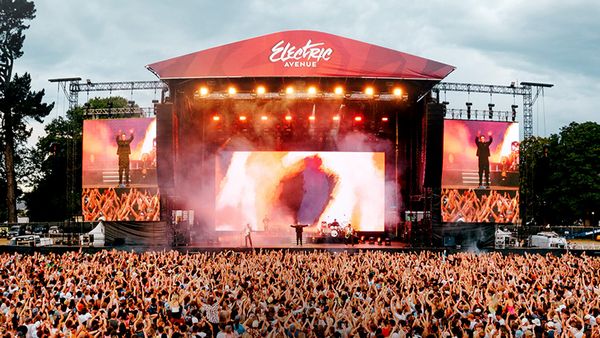
Live performance is where it all comes together. Standing in front of an audience that's engaged and cheering along, that's when it feels most meaningful.
Now that you've experienced success at a high level, what makes performing meaningful?
This lineup has been together for 13 or 14 years, and it feels like home musically.
There's a second nature to the way we play and communicate. We have our own language. A lot of what makes this band special happens offstage too. We enjoy spending time together. We share the same sense of humour. We genuinely have fun on the road.
After some time apart, those first rehearsals remind us of what we've built. There's a muscle memory that kicks in. Suddenly everything comes back. Those moments are really enjoyable and they make performing meaningful.
Would you ever go back and do things differently?
I don't think so. A lot of success comes from failure.
The mistakes teach you things, provided you're willing to get back up and keep going. I don't have regrets about how things unfolded. There's a lot of history in this band, even before I joined, and I'm grateful for all of it.
You learn lessons along the way. You might decide not to repeat certain mistakes, though I wouldn't erase them. I've been in the band since 2002, so it's been more than 20 years. Looking back, I can appreciate all the different elements that shaped what this band became.
Over the last 12 to 15 years, with this lineup, we've reached a point where everything just feels right.
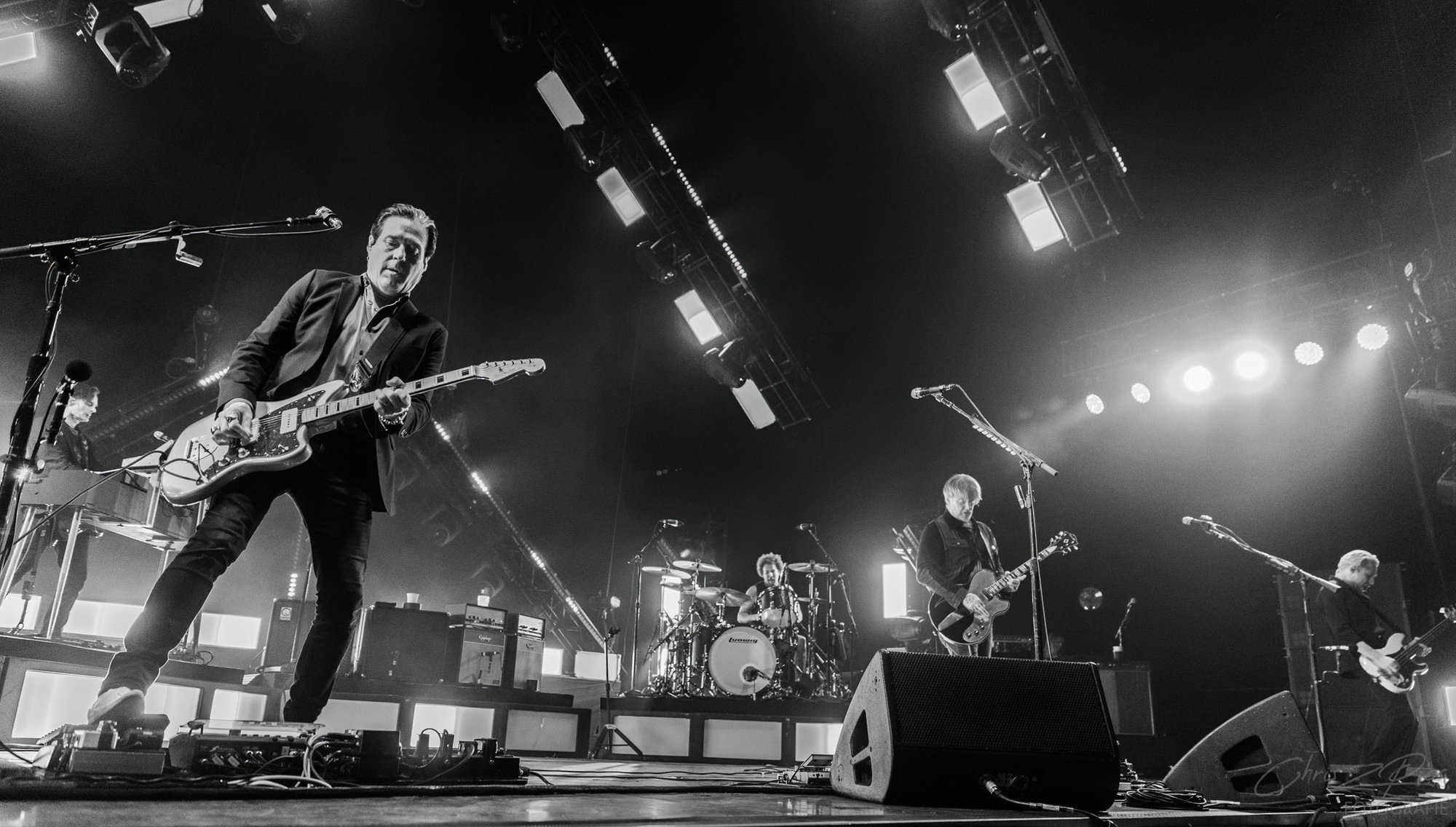
How has the band's dynamic evolved over the years?
This is the most flexible and capable version of the band we've ever had.
Every band develops a sound that defines it. I think this lineup has managed to preserve that identity while still pushing into new territory. Projects like the Catacombs performances were completely different for us. We revisited older material, played deep cuts we rarely perform, and reimagined songs people hadn't heard live in years.
It showed that we have range. We can try new things without losing who we are, and that's something I really appreciate about this band.
Are you bringing anything new to the upcoming New Zealand show?
We've been playing a new song called "Easy Street" on the Catacombs tour.
It's an acoustic track and probably the happiest-sounding song we've ever written, even if the lyrics are a bit darker. The response has been really positive, so we'll definitely be playing that.
We're also planning to bring back some of the deep cuts we played on the Catacombs tour. Those songs often get left behind, though the dedicated fans really love them and so do we. It feels like the right time to bring some of them back.
Tell us about Tropical Fuck Storm.
I only recently started digging into them properly, though I think we've crossed paths at festivals before.
What I love is how they combine elements that remind me of late-'80s Nick Cave and the Bad Seeds, especially the Tender Prey era, with aspects of Tom Waits' more industrial blues period. Then they put their own modern spin on it.
The vocal arrangements are fascinating, and the songs led by the female members are especially interesting. They've released a huge amount of music too. I'm really looking forward to seeing them live and spending some time with them.
Having Tropical Fuck Storm and Primus on the bill makes for a really strong lineup.
Every time the band comes to New Zealand, there seems to be a strong connection with local audiences. What keeps bringing you back?
We're always excited to come back. We try to find interesting local acts to share the stage with, and we've had some great experiences doing that.
It's fun to come down and experience local music firsthand. That's always been an important part of touring New Zealand for us.
If you could define the legacy you want to leave behind, what would it be?
I just hope I can keep making the music I want to make for as long as I'm here, and that people continue to listen.
For me, being an artist is about continuing to challenge yourself. It's about trying to outdo yourself, avoiding complacency, embracing change, and holding on to what makes you who you are.
If there's a legacy, I think that's it. I don't know that I need anything written on a tombstone. I just want to keep creating.
Have music you’re proud of? Submit it to Empty Spaces and get featured.