
Mazbou Q on pulling songs apart and finding new life with Beyond the Beat
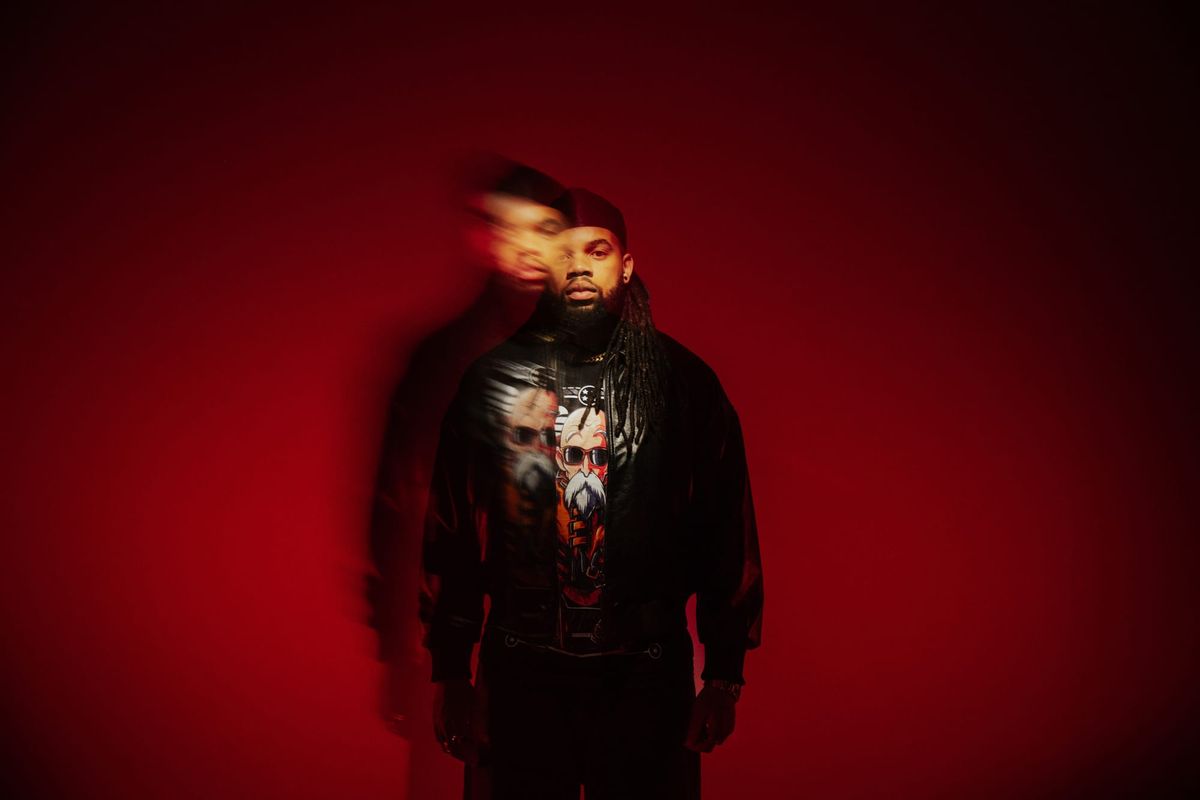
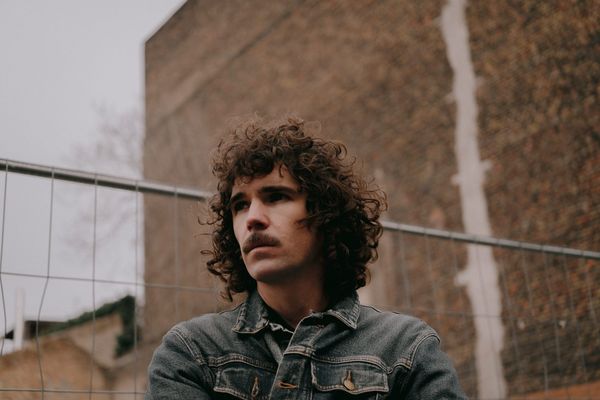
What happens when you take a song you know inside out and turn it into something you’d never expect? That’s the idea behind Beyond the Beat, which returns for a second season with artists reworking some of Aotearoa’s best-known songs. At the centre of it all is producer Mazbou Q, whose job is to help artists find a new sound while keeping the heart of the original intact. We caught up with him to talk genre experimentation and how a good remake can take a song somewhere its original writer never imagined.
You’re the person who has to figure out how to take a song apart and make it work in a completely different genre. Where do you start? Is there usually one thing in the original track that gives you the idea for the remake?
I usually start with the original hook / chorus, and begin exploring how the vocal melody might sound reharmonised (with different chords underneath it), or with a completely different tempo or even time signature behind it. It's a good way to keep the essence and familiarity of the original while creating something totally fresh to springboard off.
From there, I just keep pulling on a thread and seeing where it leads. A new chord progression might suggest a particular texture, which then inspires a new drum groove, which might completely change how we approach the verses. Before you know it, you've got a song that sounds nothing like the original, but somehow still feels like the same song.
That's the sweet spot for me. I want people to hear the remake and think, “How'd they get this from that?" But then, when they listen closely, it makes perfect sense.
Your own background spans classical music, heavy metal, West African Highlife and hip hop. How much of that influences the way you approach a project like Beyond the Beat, where you’re constantly working across genres?
Massively. Since I was young, I've always been fascinated by combining sounds and styles that aren't typically associated with each other. I'd be in the comp lab at school trying to figure out what Pirates of the Caribbean would sound like if it were written by Underoath. My first solo artist project was essentially built around the question: "What if Fela Kuti's Egypt 80 had Lupe Fiasco as their lead vocalist?” Just finding ways to combine the different stuff I liked, no matter how far apart they were. So genre experimentation has always been a pretty fundamental part of my creative identity.
Over the years, that's taught me to recognise the defining compositional and production characteristics of different genres. The key to these remakes is understanding which elements you can bend, which ones you need to preserve, and how to make the whole thing feel cohesive.
It's also given me a pretty broad musical toolkit. Highlife guitar melodies can slot beautifully into reggae or hip hop. Metal guitar riffs and drum production can be reworked into country pop-rock. Classical string arrangements can bring a whole new emotional dimension to a soul ballad. Once you start looking beyond the labels we put on genres, you realise just how interconnected everything is.
I think that's what I love most about producing this show. I'm constantly reaching into different corners of my musical upbringing, sometimes all within the same song.
A big part of the show is getting artists to look beyond the sound of a song and understand what it means to the person who wrote it. How do you balance respecting the original with giving the new artist room to make it their own?
I think the key is respecting the emotional territory of the original song, without necessarily insisting on the same perspective.
Being able to find yourself somewhere within someone else’s story and use that as a starting point to tell your own is one of the dopest things about making art, in my opinion.
Cowboy Up is a perfect example of this. Kaylee wrote the song from the perspective of a woman setting expectations for a potential partner, essentially saying, "If you want to be with me, you need to step up." Myshaan approached it from the other side, reflecting on how he had to step up to become the man his now-wife needed him to be.
So you've got two artists exploring the same fundamental idea, but from opposite sides of the relationship. Now the remake is like a response to the original, like they're having a conversation through music.
To me, that's a more beautiful way to honour a song than to keep the content exactly the same.
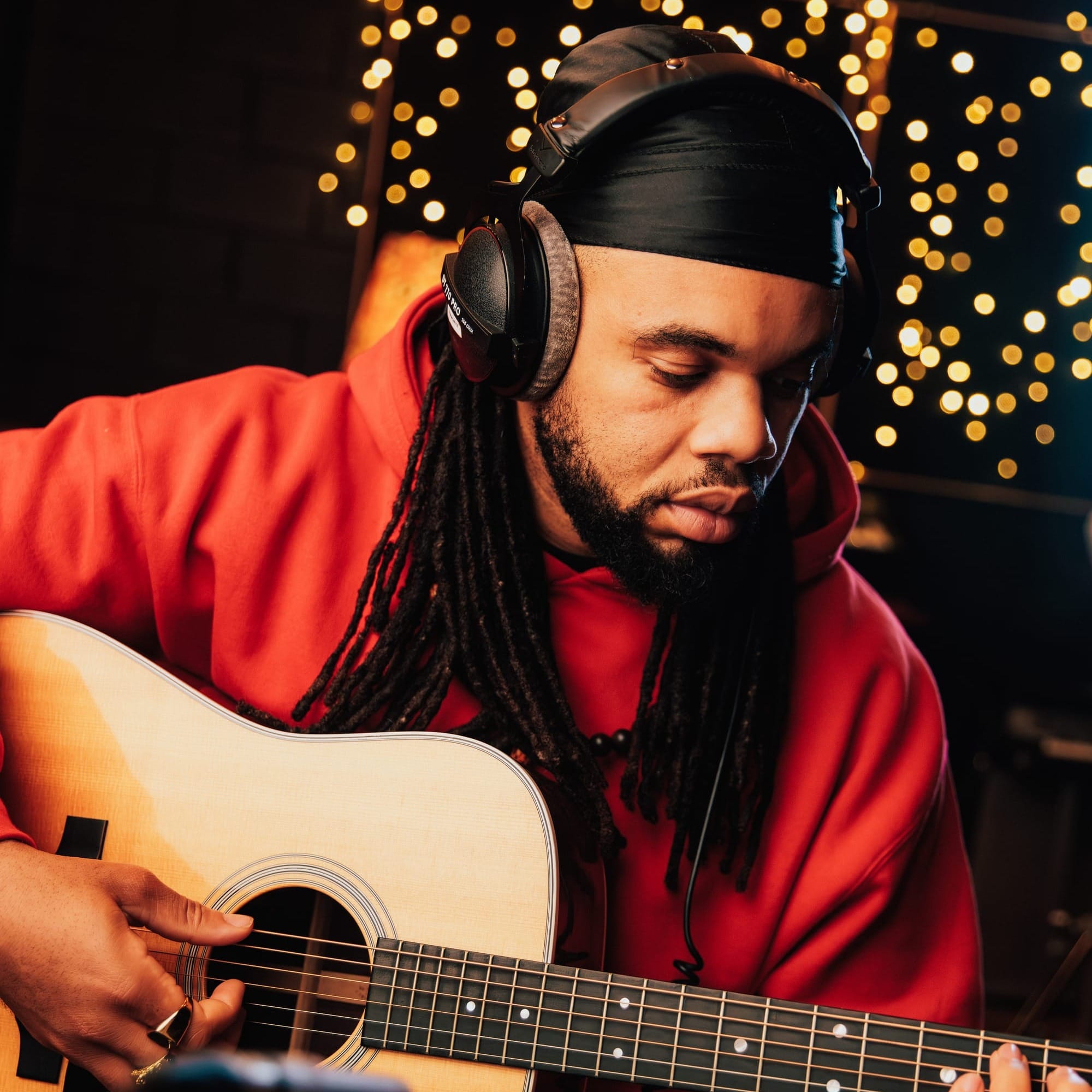
You’ve built a following as ‘The Rap Scientist’, breaking down the technical side of rhythm and flow. When you’re working with artists on the show, how much of that technical knowledge comes into play, and how much comes down to instinct?
I always say that technical knowledge broadens and deepens your instinct, so it's actually pretty difficult to separate the two.
Generally, I lead with instinct. I'm listening for what feels good, what moves me and sounds exciting. But if we hit a creative wall, that's when I might pull out some technical wizardry to get us thinking outside the box.
For example, what happens if we change the time signature of a song? Suddenly the vocal rhythms are interacting with the music in a completely different way. A melody written in 4/4 might not intuitively sit over a new 6/8 groove, so we have to get surgical about where each syllable lands. I’ll map out the rhythms, shift some stresses around, and figure it out. Then it's straight back to following our ears.
We had another interesting challenge working on Crown with Tida and Juju. With Shona and te reo Māori into the rap verses, it meant navigating different syllable counts and natural word stresses. Some phrases needed a little more attention than others, so we had to get quite technical with the patterns to make everything sit comfortably on the beat.
That's where the Rap Scientist side of things really shines tbh. Many folks think music theory is about rules, but to me it’s more about giving you options when instinct alone isn't getting you where you want to go.
Some of the season’s pairings bring together artists with very different backgrounds and perspectives. What has been the biggest creative challenge this season, and was there a remake that took you somewhere you hadn’t expected?
Definitely Crown. That was definitely the most radical transformation we attempted this season.
The challenge was figuring out how to keep the intensity and aggression of this fast-paced metal track while taking it making it into something that felt authentic to Tida and Juju. I initially thought we'd end up somewhere squarely within Hip hop. Maybe something with big drums, heavy 808s and some grit.
But as we started experimenting with the original chorus, the rhythms and melodic phrasing began pointing us in a completely different direction. We ended up building this Fela Kuti-inspired afrobeat arrangement, which was fitting for cultural reasons (we’re all African artists), but also thematically. Crown is a protest song, and Fela's afrobeat is some of the most iconic protest music ever created. So even though we'd taken the song far away from its original sonic identity, we landed in a genre with a very similar spirit of resistance.
I live for that kind of thing, as a producer. Experiments taking you somewhere unexpected, but the further you go, the more obvious it becomes that you were supposed to end up there.
The show gives artists room to rewrite lyrics and bring their own experiences, culture and identity into songs that already mean something to people. Has working on Beyond the Beat changed the way you listen to familiar songs, or even the way you approach your own music?
To be honest, not really...I’ve been doing this my whole life!
Before Beyond the Beat existed, I was in my studio during COVID filming myself completely reimagining hit songs in different genres and posting them up on IG and YouTube. And long before that, as mentioned, I was that kid at school making the weirdest musical mashups I could think of, then challenging myself to make them actually sound good.
I think a lot of that comes from my own cultural identity. I'm Igbo-Nigerian, born in UK and raised in Aotearoa New Zealand, and grew up bouncing around vastly different music scenes. My own artistic identity is already a bit of a genre mashup, so I've never really felt that music needs to stay within neat little cultural or stylistic boxes.
If anything, the show has reinforced something I've always believed, i.e. genres are super useful musical languages, but they're not borders. You can borrow their vocab and finesse the grammar, and use it to say something entirely new.
So nah, it hasn't really changed how I approach music. It's just given me another playground, with a bunch of dope artists whom I now call friends to experiment with.
Promoting new music or events? Get priority submissions for editorial consideration.