
Just Janie tears into the fantasy of the 60s and asks who we chose to forget
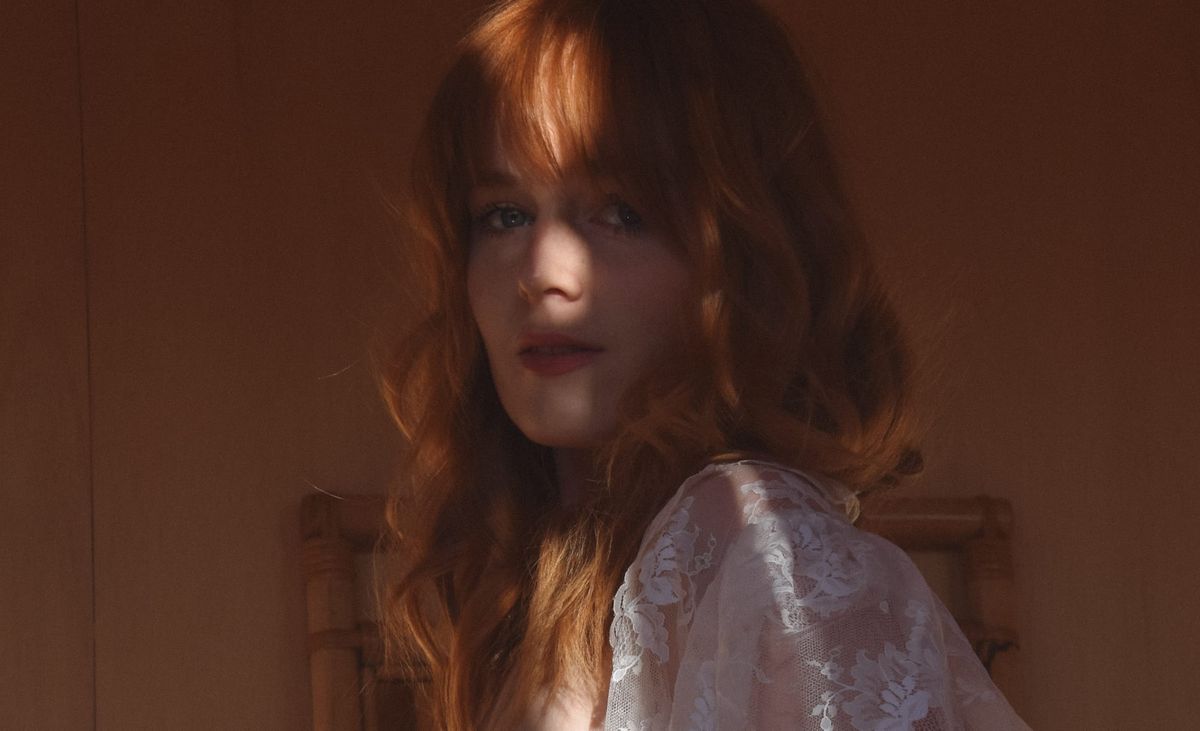
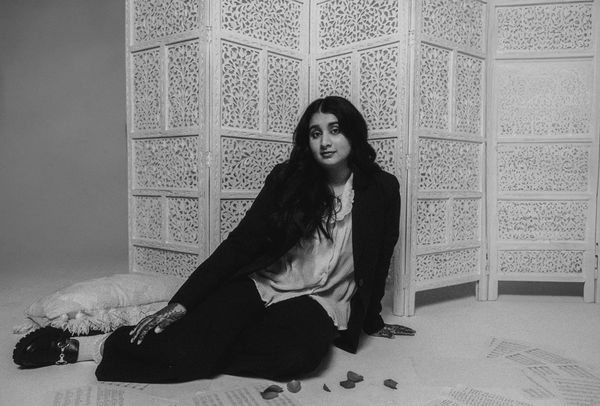
Just Janie draws from the past without getting stuck in it. With Mythology of the Girls, she pulls threads from the counterculture era and ties them to the urgent and misguided(?) modern age. The resulting output gives a familiar warmth at first listen, then becomes suggestively unsettling once the stories start to unfold. It's songwriting that sits in that space where nostalgia meets scrutiny, where the beauty of an era is held up alongside its blind spots.
Recorded live to tape with a full band, the project carries the texture and intimacy that digital recording can smooth out. You can hear the room, the moment in it's entirety. Due for release in May, we step inside the stories and unpack the tension, history, and the pull behind Mythology of the Girls.
You recently released ‘Mythology of the Girls,’ your first single off your upcoming album of the same name. Can you tell us what this song is about?
Mythology of the Girls is about the Manson Girls and why they should have stayed
home. Hollywood, Hippies, 1960’s counterculture, the beach boys, cult fanaticism and the repercussions of a desire to belong.
Why was it important to you to write a song about this moment in history in particular?
As someone deeply nostalgic for the sixties and seventies, I was interested in
deconstructing my own rose tinted goggles for an era that largely misunderstood and stigmatised women's mental wellbeing. I’m fascinated by the psychology of ‘the girls’. A group of mostly middle-class, young and impressionable girls, following a criminal cult leader. What made them desperately desire group belonging? Why did they follow Manson? What drove them to commit such horrific crimes? Who failed these girls? Why didn’t they go home?
Where do you usually find creative inspiration? Is it often from historically significant issues or do you also find inspiration in your personal experiences?
With this album in particular, the two became entwined. I was interested in women's stories, mirrored by my own personal anecdotes and experiences. The women who walked so we could run. I was intrigued to consider the women's experiences that led to a change, a change that modern women can benefit from. We have a long way to go, but we have come so far.
You describe yourself as an indie folk musician that draws inspiration from the folk music of the late 60s and 70s. What is it about this music that inspires you in your own songwriting?
There is something magical about recorded music from the late sixties and seventies. Listening to albums from that time, you can hear tiny imperfections and human moments from studio sessions. As recording processes have progressed, music has become so ‘perfect’. We have the ability to create something flawless. I realised I was craving those beautiful human imperfections. I was craving something real and raw. I was craving the perfectly imperfect flaws.
Do you think there’s a connection between the topics you write about and the era in which your music is inspired from?
Absolutely. The themes definitely influence the tracks sonically. When the band came into the first pre-studio session, I had a really clear vision of the album’s sounds and inspirations, but each track was bare bones; lyrics and acoustic guitar. We began creating the music together. It felt fitting for the songs to sonically transport the audience to that time period and be fully immersed in the stories.
Are similar themes explored in your upcoming album and if so, what can you share with us at this stage?
While many of the songs on the album are inspired by historical events and people,
the themes are timely with the state of our modern world. We don’t need to look far to find the madness. ‘Suburban in Stepford’ (Track 6) may seem like a song about a 1970’s feminist horror, but is relatable in a modern framework with the surreal development of AI, or the rise of social media ‘instagram face’ and actresses who can no longer show real emotion due to frozen ‘flawless’ skin. ‘She Was Seen; (track 4) explores modern media’s sensationalisation of true crime, as a genre that fixates on the perpetrators of violence, not the victims. While inspired by the past, these songs are just as important in a modern context.
You mentioned that you recorded the track in Oamaru’s Sublime Studios onto tape. Did you record everything in the song this way?
We tracked the entire album via an analogue pathway to tape at Sublime Studio.
Recording to tape meant the band and myself recorded live. I think you can feel that in these recordings. You can almost hear me grinning in those songs, looking through the window of my sound booth at my drummer, guitarist and bass player. It was such a magic way to record and allowed us to capture the atmosphere.
How did this analogue undertaking inform your recording and creative processes?
I find a lot of inspiration from the folk scene of the late 60’s and early 70’s. Using
vintage recording processes, an increasingly rare approach, allowed us to sonically
replicate the era inspiring the music.
With an album release on the horizon, what are you looking forward to for the rest of 2026?
A lot of live shows, many with the full band which is super exciting. A nationwide
tour in May with eight shows (and counting) wrapping up at the Tussock Music
Festival . New merch (vinyl, tee’s, snail mail, you name it). There are some loose
plans to jump the ditch for some co-headline shows in AUS with some friends. And
towards spring/ summer of 2026, myself and collaborator Sig Wilder (Matthew
Campbell), along with our wonderful band are releasing a Live Album (ten tracks).
It’s all happening!
Have music you’re proud of? Submit it to Empty Spaces and get featured.